

Fabulous Fossil Jewellery
I trained as a biologist before I trained as a jeweller.
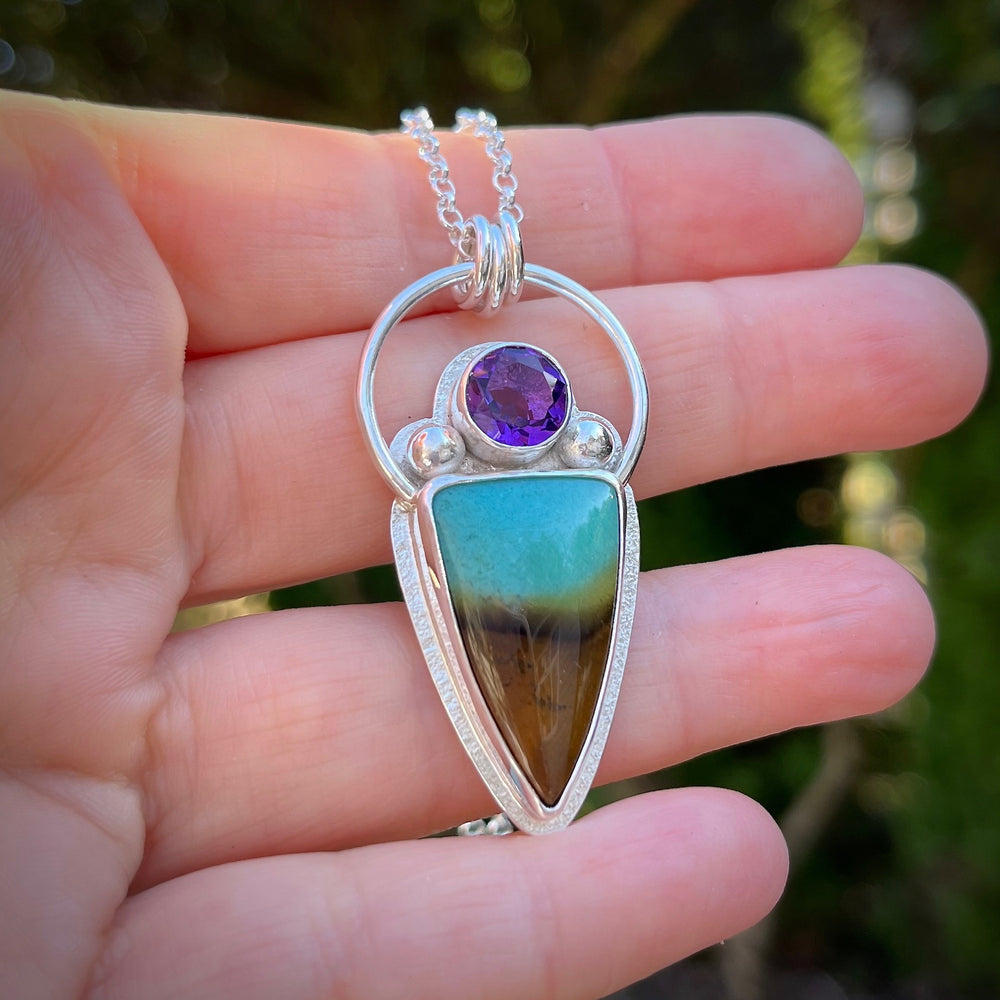
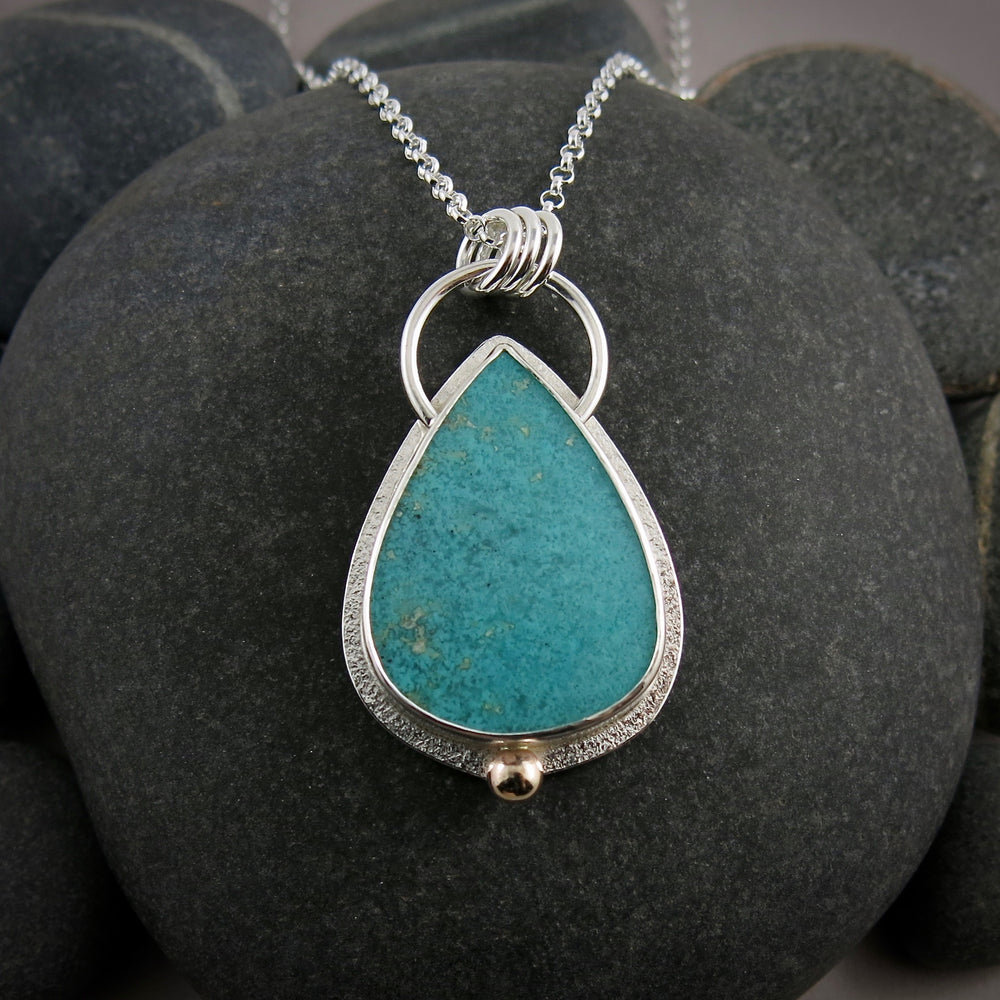
It is the reason this collection exists. I know what I am holding when I pick up a piece of opalized fossil wood or ancient ammolite, and I hand select each one for its colour, its pattern and the awe it evokes. Everything here is set by hand at my bench in Sechelt, on the Sunshine Coast of British Columbia.

Fossil gemstones fill me with awe. The fact that they have lasted tens of millions of years, for me to be able to set into wearable treasures, is surreal.
Mikel Grant
Which fossils do you set?
Opalized wood most often, because it offers incredible colours and patterns, including stunning blues. Ammonites, whole and sliced. Ammolite, which is the iridescent layer from an ammonite shell and is found in Alberta. Over the years also fossil coral, palm wood and once a piece of dinosaur bone.
I wrote a guide to all eight fossil gemstones if you want to know what each one actually is and how it formed.
Why are the backs cut out?
Because these stones are worth seeing from behind. A solid silver back would hide the half of the stone nobody ever looks at, so I pierce the setting and leave it open. Light comes through, the pattern shows from both sides, and the piece is lighter to wear. It is more work and it is the right call every time.

Why is ammolite only ever earrings or a pendant?
Because it is fragile. Ammolite is a thin iridescent layer rather than a solid stone, and it will not survive being knocked about on a hand. So I keep it where it is safe: earrings and necklaces, never rings. The flashier the colour the better, and it is the one material where I will happily pay for the flash.
Fossil pieces come and go here more than anything else I make, because each stone is a one off and I set them as I find them. If something has sold, I do take commissions, though only in my own style. Tell me what you have in mind.
Fossil questions
Are these real fossils?
Yes. Opalized wood is wood whose cell structure was replaced by silica over a very long time, ammonites are the coiled shells of sea creatures that died out alongside the dinosaurs, and ammolite is the iridescent surface of ammonite. None of it is reconstituted or imitation, and there is no such thing as a lab grown fossil. I choose every piece myself.
Is fossil jewellery fragile?
It depends entirely on the material. Opalized wood is silica and hard enough for daily wear. Ammolite is the opposite and needs looking after, which is why I only set it in earrings and necklaces. If you are buying a piece to wear constantly, tell me and I will point you at the sturdier stones.
Where does the ammolite come from?
Alberta. It comes out of the Bearpaw Formation and it is one of the very few gemstones that is genuinely Canadian, which is part of why I like working with it. The colour is structural: it comes from the way light moves through the layers of the old shell, not from a dye.



Canadian Fossil Ammonite Pendant • Sterling Silver
À partir de $195.00


Little Canadian Fossil Ammonite Pendant • Sterling Silver
À partir de $175.00


Canadian Red Ammolite Teardrop Pendant • Sterling Silver
À partir de $295.00


Canadian Red Ammolite DragonSkin Teardrop Pendant • Sterling Silver
À partir de $350.00